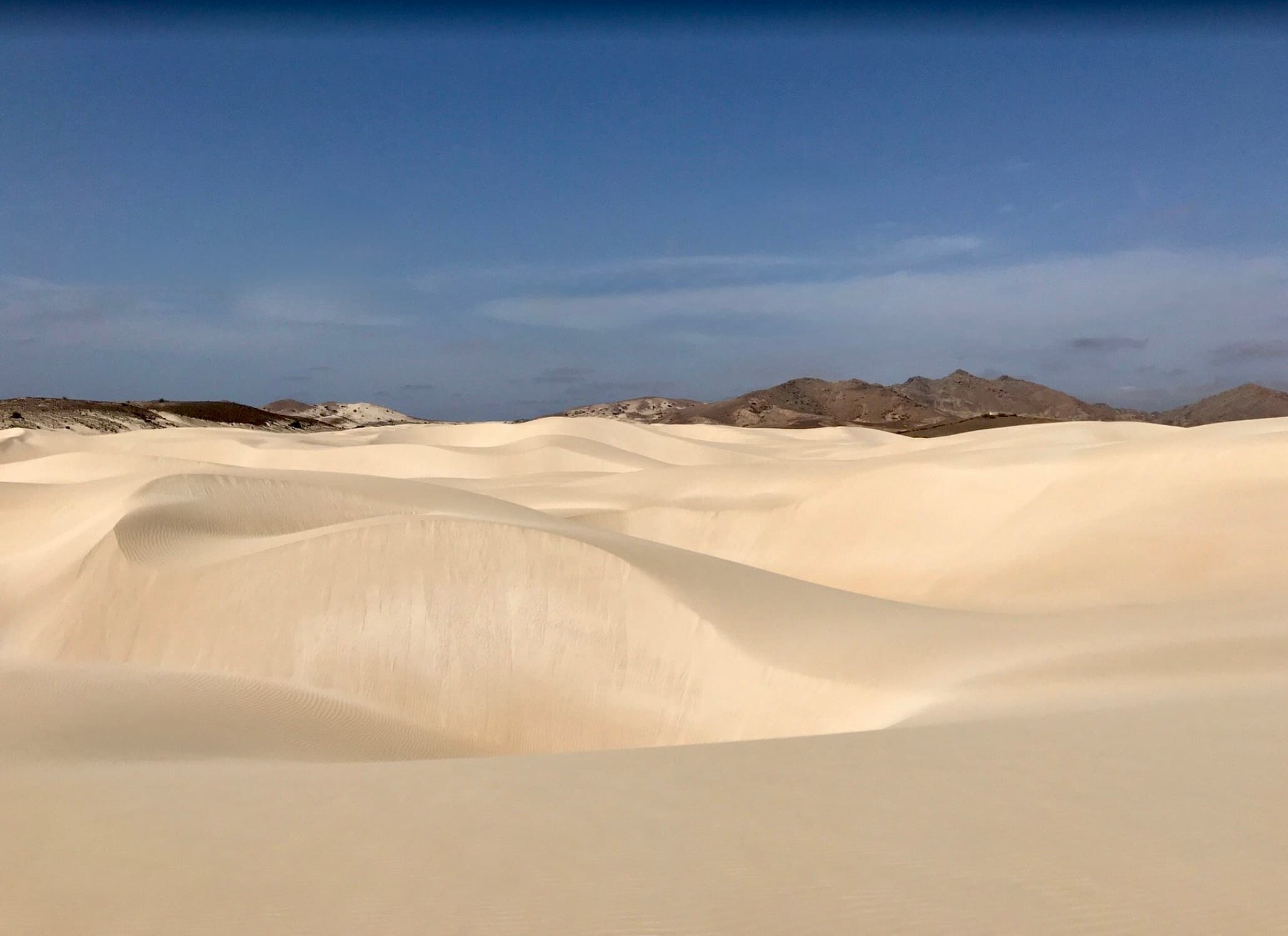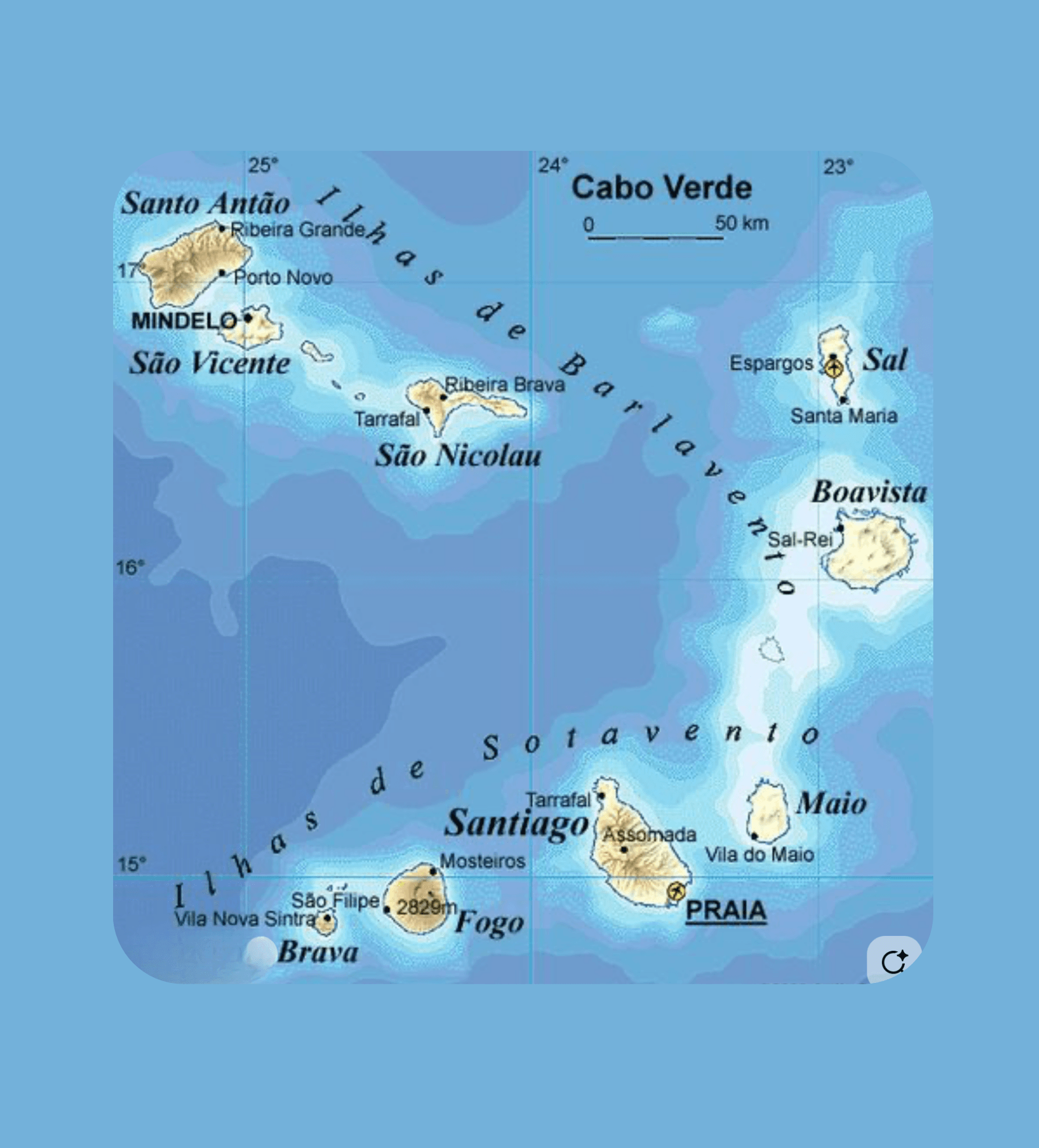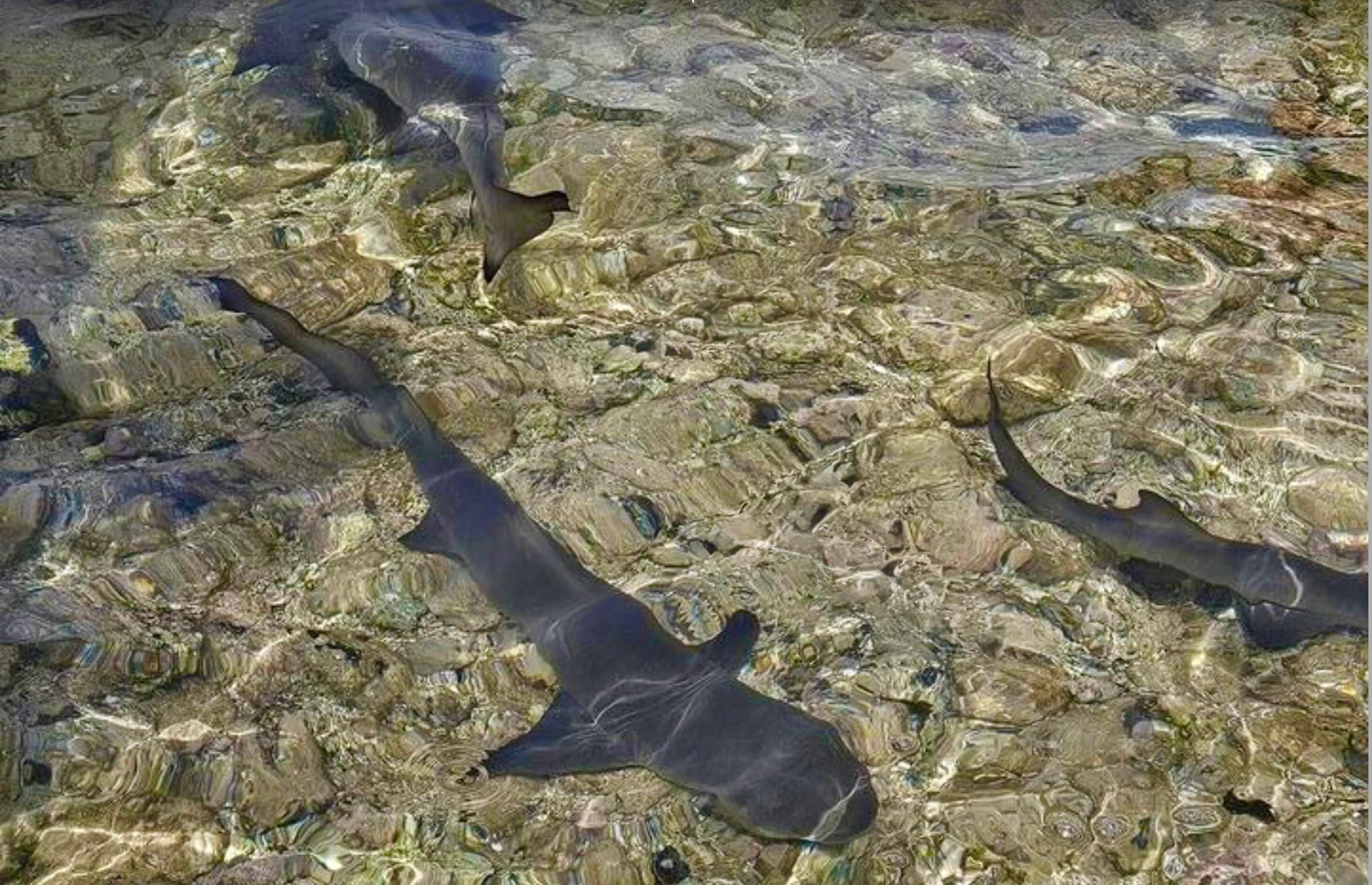
Shark Bay surprised me with how natural and untouched it felt. It is located on the east side of Sal, close to the village of Pedra de Lume, and the moment you arrive you realise this is not a conventional tourist setup. The drive to get there is already half of the experience. A long, spectacular road by the sea, with views that genuinely justify slowing down and admiring the moment.
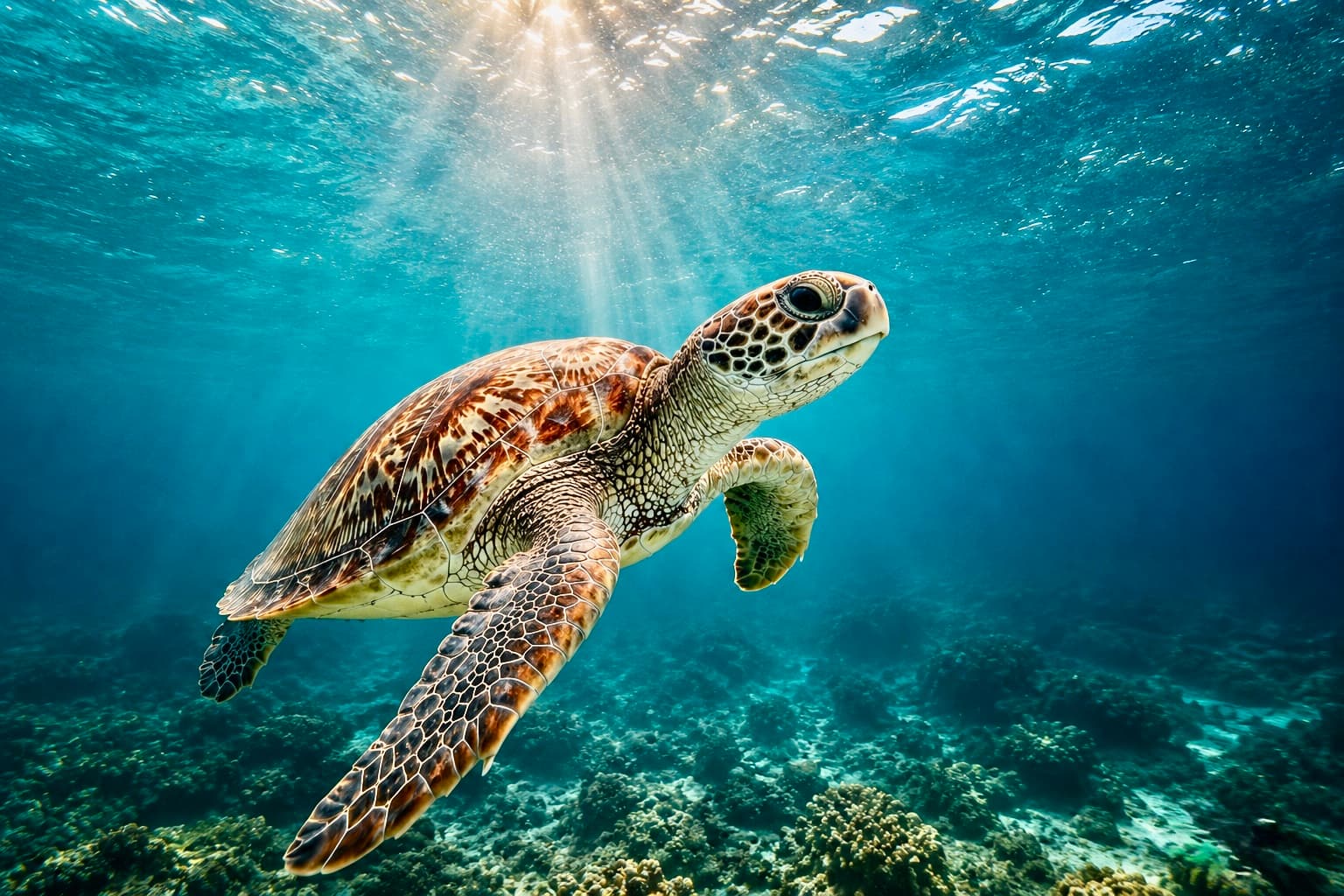
The bay itself is home mostly to lemon sharks. The rocky shoreline and shallow waters create ideal conditions for them to breed and raise their young safely, away from the deeper ocean. Adults can reach up to three metres long, but they are friendly, and the ones you usually meet near the shore are babies no more than 60 cm long.
The drive and what to expect
The road from the centre of Sal to Pedra de Lume runs along the coast, and the views are some of the most beautiful on the island. By the time you arrive at the bay, the build-up of that drive has already made the trip feel worthwhile.
When you get to the area, you'll find small souvenir shops near the access point. A few of them rent shoes if you have not brought the right ones, because you need to walk over rocks to get close to the baby sharks. The bay itself is flat, and the water tends to sit just below the knee. We walked through the sea for a good five minutes and the water level barely changed.
How the experience actually works
The guide carried a bottle of fish blood with him, which sounds more dramatic than it turned out to be. When we reached the right spot, he asked everyone to stop walking and look down. The water was so clear we could easily see the rocks, our shoes, and even the corals tucked between the volcanic stones. He poured the red liquid in slowly, and the sharks started to come.
The ones that arrived were small, and they simply swam around us. There was nothing aggressive about it. It felt safe, and at the same time genuinely exciting to be that close to sharks in their own environment.
Throughout the experience, the guide explained the nature of these sharks, why the activity is safe, and what to do in every moment. That commentary is a big part of what makes the trip feel grounded rather than gimmicky.
What to wear and bring
You do not need a swimsuit unless you want one. The water sits below the knee for most of the walk, so the practical setup is simpler than you might expect.
- Wear clothes you can pull up above the knee, light trousers, shorts, or a long swimsuit cover-up.
- Bring Crocs-style shoes with a back strap to keep your steps secure.
- If you forget the right footwear, the small souvenir shops near bay rent them.
- A waterproof phone case is useful if you want to film without worrying.
Safety and respecting the sharks
Sharks should not be disturbed. Do not touch them, and stay still whenever they swim around you.
A few notes that come up again and again from anyone who has done this well:
- Go with a guide, or with someone who knows the bay and understands the sharks' behaviour.
- Stay calm in the water, sudden movement is what makes any wild animal uneasy.
- Do not try to touch or chase the sharks. The whole experience is built on letting them come and go on their own.
- Respect the area. It is not a built-up attraction, and keeping it the way it is depends on visitors leaving it untouched.
What to remember
Shark Bay, like most experiences in Cabo Verde, feels naturally raw. The simplicity is what makes it beautiful, and the reason it does not feel like a conventional tourist activity. There are no scripted moments, no choreography, just a quiet bay, an experienced local guide, and wildlife living in harmony with the surroundings.
How you can contribute
This article is part of a wider effort to gather Cape Verdean insights and facts online in a more dynamic way. It matters to me because growing up abroad meant never learning much of this in school, something many others in the diaspora can probably relate to.
If you feel you can contribute to any of these articles, or you spot something that should be rewritten, please email us at caboverdeplataforma@gmail.com.
I plan to introduce more features as the platform continues to grow. For now, if you enjoyed this article, feel free to share your thoughts on our Instagram post at @cvapp1.
Continue exploring CVApp
Browse more stories in Nature or return to the full blog archive.