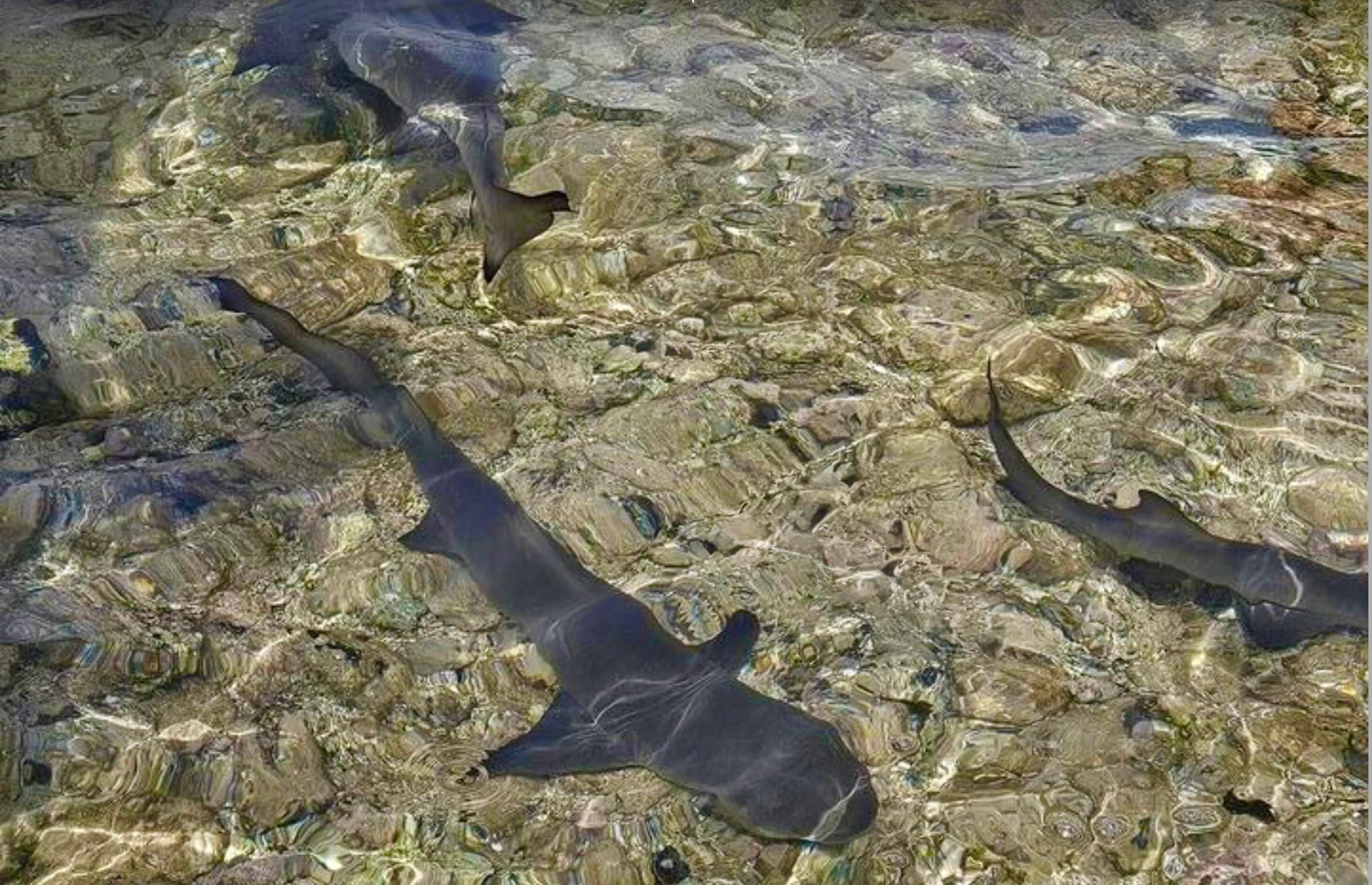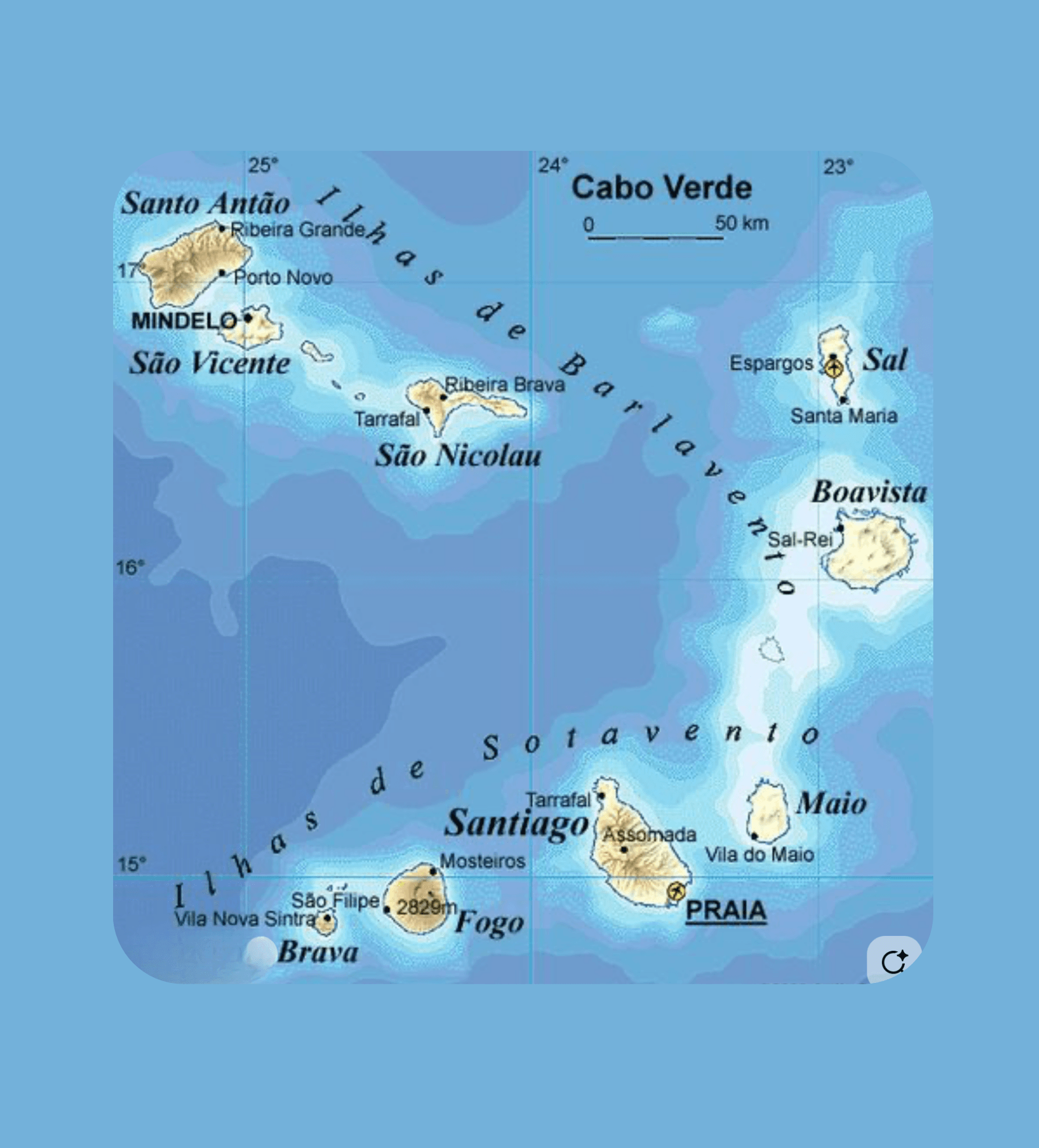
Cabo Verde is one of the most important nesting grounds in the world for the Caretta caretta sea turtle, hosting one of the three largest nesting populations on the planet alongside Florida and Oman. Year after year, females return to the islands to lay their eggs on the same beaches where they once hatched. The entire cycle is quiet, ancient, and surprisingly fragile.
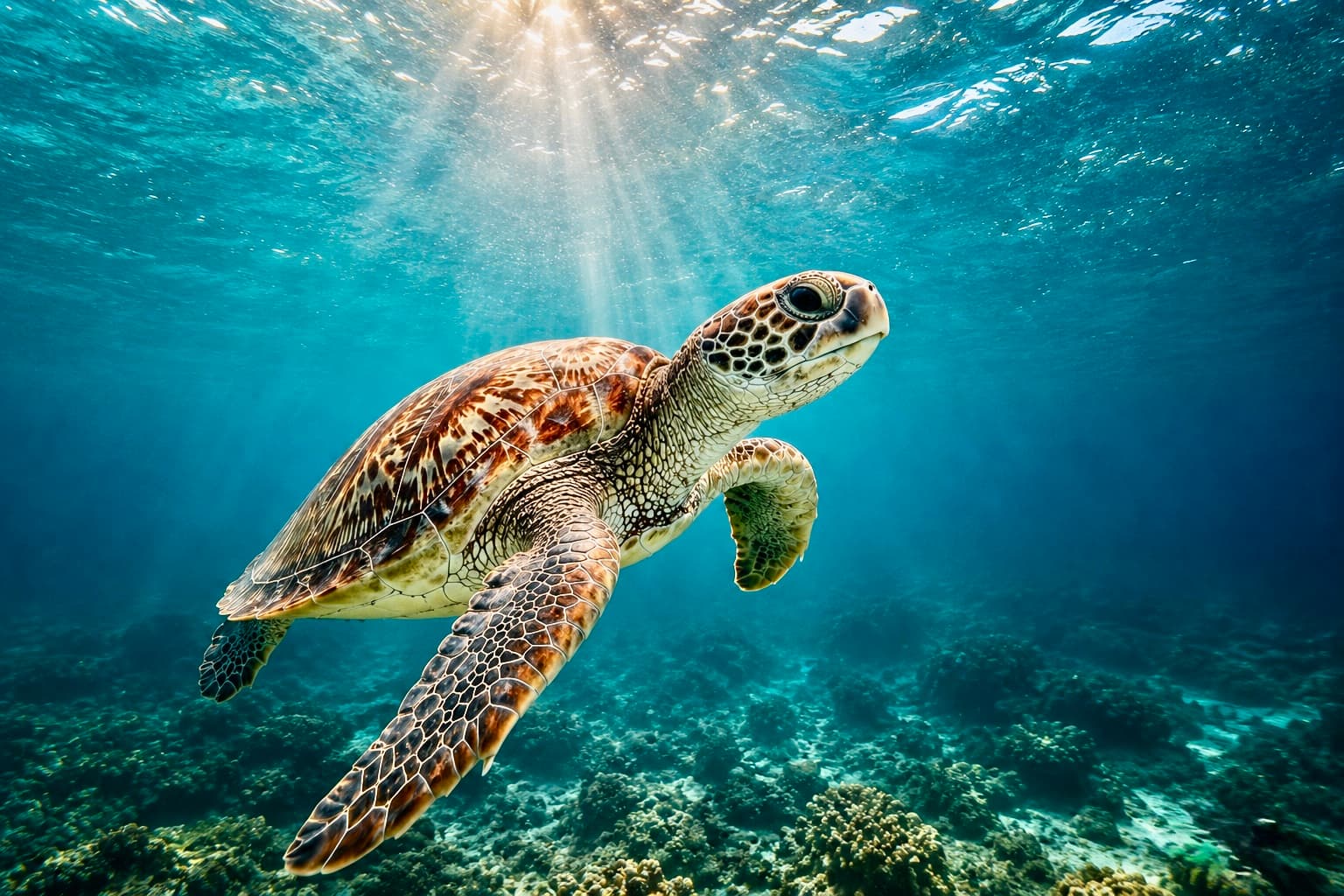
Turtles are some of the most magical animals I have ever seen. The fact that they can live for many decades on average makes them an even more intriguing species.
Characteristics of the Caretta caretta Turtle
The Caretta caretta can reach an average length of 90 cm, with adults weighing around 135 kg. Their skin ranges from yellow to brown tones, while their shell is typically reddish in colour. Once they reach adulthood, the clearest difference between the sexes is that males have thicker tails and slightly lower shells than females.
They spend most of their lives in the sea and only come ashore to nest once they reach sexual maturity, somewhere between 17 and 33 years old.
Seeing them floating and swimming in the water is genuinely undescribable. It is something I could watch for hours.
When to See Them
The best time to see turtles in Cabo Verde is between July and October, with August being the peak nesting month. During this period, females come ashore at night to lay their eggs.
If you want to witness the hatchlings instead, plan your visit between August and December.
- Nesting season (June to October): Females emerge at night to dig nests and lay eggs. August is the busiest month.
- Hatching season (August to December): Eggs incubate for around 60 days before hatchlings emerge and make their way towards the sea.
How Sea Turtles Reproduce
The females come ashore at night, dig a deep nest in the sand, lay around eighty to one hundred eggs, carefully cover them, and return to the sea. They do not remain with the nest. The eggs are left alone to develop in the warmth of the sand for roughly two months until the hatchlings break free on their own and begin the dangerous journey towards the water.
Why Temperature Matters
One of the most fascinating and unsettling facts about sea turtles is that the sex of the hatchlings is determined by the temperature of the sand surrounding the eggs. Warmer sand produces more females, while cooler sand produces more males.
As global temperatures rise, that balance is beginning to shift. Some nesting beaches in Cabo Verde and elsewhere are now producing almost exclusively female hatchlings, which may have serious long-term consequences for the species. It is one of the clearest examples of how climate change reaches even into life cycles that appear ancient and untouchable.
The Impact of Light Pollution
When the eggs hatch, the baby turtles instinctively head towards the brightest horizon. In nature, that brightness comes from the reflection of the moon and stars on the ocean. The hatchlings follow that light, believing it will lead them safely to the sea, where they can find food and hydration.
The problem is that many beaches in Cabo Verde are now located close to hotels, restaurants, and roads. Artificial light from these buildings pulls hatchlings in the wrong direction. Instead of moving towards the ocean, they walk inland, and many do not survive the journey. It is a small and often invisible threat with devastating consequences.
Consumption Is Illegal
The hunting and consumption of sea turtles is illegal in Cabo Verde. The law exists for a reason. Turtle populations were heavily impacted for decades by capture for meat, and the species cannot recover at the same speed it is removed from the ecosystem.
Awareness is slowly improving, but protecting sea turtles depends on consistent enforcement and on travellers making informed decisions about what they consume and support.
The Associations Doing the Work
Several local associations dedicate themselves entirely to turtle protection. During nesting season, they organise nightly beach patrols, relocate nests when they are too close to artificial light, count hatchlings, and educate both residents and visitors.
Their work is one of the main reasons many beaches in Cabo Verde continue to see successful nesting year after year.
If you visit during nesting or hatching season, joining a guided night patrol with one of these associations can become one of the most meaningful experiences your trip offers.
How You Can Contribute
This article is part of a wider effort to gather Cape Verdean knowledge, stories, and insights online in a more dynamic and accessible way. It matters to me because growing up abroad meant never learning much of this in school, something many people in the diaspora can probably relate to.
If you feel you can contribute to any of these articles, or if you notice something that should be corrected or expanded, feel free to contact us at caboverdeplataforma@gmail.com.
I plan to introduce more features as the platform continues to grow. For now, if you enjoyed this article, feel free to share your thoughts on our Instagram post at @cvapp1.
Continue exploring CVApp
Browse more stories in Nature & Wildlife or return to the full blog archive.